Marvel Rivals is better than Overwatch 2 for a fresh competitive climb because its hero kits and team-up system reward adaptation
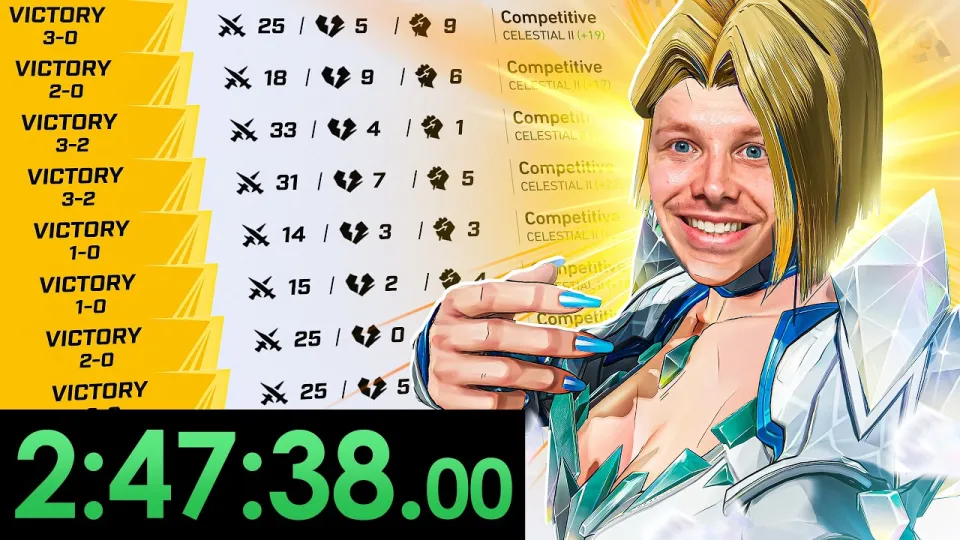
Video: IF I LOSE, THE VIDEO ENDS... (Marvel Rivals)
Want articles like this for your own video to promote it on YouTube and Google? Order them through the Telegram bot @sat_sit_bot. It writes articles around your video, embeds the video and publishes them on popular niche websites (no ads). Your first 50 articles are free.
· based on the channel Jay3
Marvel Rivals is the better pick for a fresh competitive climb because its hero kits, Team-Up bonuses and destructible maps punish one-trick play and reward fast adaptation, while Overwatch 2 still leans on years of accumulated matchup knowledge. If you are choosing where to spend your ranked hours, Marvel Rivals gives a newcomer a fairer starting line. Jay3, a longtime Overwatch Grandmaster turned variety streamer, put that idea under pressure in a self-imposed challenge where a single loss ends the video, and you can watch the unedited run live on his Twitch channel.
What the Marvel Rivals lose-and-end challenge actually tests
The format is simple and brutal: one defeat and the video stops, so every match becomes a must-win. That removes the luxury of a learning game. In Overwatch 2 a Grandmaster can coast on muscle memory and hero familiarity; in Marvel Rivals the same player has to read unfamiliar cooldowns, unfamiliar ultimates and a 6v6 tempo that behaves differently from what years of Overwatch drilled in. The challenge is less about aim and more about how quickly someone rebuilds a mental model of a fight while the clock is running.
Why Marvel Rivals rewards adaptation better than Overwatch 2
Marvel Rivals is built around flexibility rather than mastery of a single kit. Three design choices drive that:
- Team-Up abilities. Certain hero pairings unlock extra powers, so a composition change can add value beyond a straight counter-pick. Swapping one hero can upgrade a teammate's kit, which makes roster knowledge as important as mechanical skill.
- Destructible environments. Walls and cover break, so positions that would be safe in Overwatch 2 collapse mid-fight. Players who plan around static cover get punished.
- A 6v6 structure. Two extra players per side mean more chaos, more peeling duties and more reason to communicate. Individual carry potential is diluted, which raises the value of coordination.
In Overwatch 2, the accumulated matchup spreadsheet is deep and rewarding but slow to learn. Marvel Rivals compresses that curve: a new player can contribute through a well-chosen Team-Up and a hero that fits the map, not just through raw accuracy.
Typical questions from viewers about ranked Marvel Rivals
Viewer discussion around this kind of challenge video keeps circling the same complaints, and most of them are about teammates rather than personal skill. The recurring themes:
- Throwers and griefing. Players report teammates who deliberately ruin matches, including portals placed to send a team off the map or into the enemy spawn. Reports exist in-game, but the perception is that punishments are slow.
- Role flexibility. The most common frustration is being locked into a role you did not want. Players who can only play damage heroes find themselves on losing teams more often.
- Rank expectations. A long-running request in the community is a match between players stuck in low ranks and players who believe they deserve a higher rank, to settle the argument directly.
- Hero targeting. Being focused by a single opposing player, such as a Spider-Man diving the backline repeatedly, is a frequent source of tilt and a frequent topic in chat.
- The Overwatch comparison. A portion of the audience still asks for Overwatch content, which shows how many viewers arrived from that game and still measure Marvel Rivals against it.
How to climb faster in Marvel Rivals ranked
Climbing in Marvel Rivals comes down to reducing variance before you blame your team. Practical steps:
- Learn two roles minimum. Queue flexibility removes the most common source of lost games: a team with four damage players and no support.
- Check Team-Up pairings before locking in. A hero that enables a teammate's bonus is often worth more than your comfort pick.
- Track ultimates out loud. With 12 players in a match, ultimate economy decides fights; callouts matter more than in a 5v5 game.
- Review one loss per session. The lose-and-end format is extreme, but the principle holds: a single replay review catches positioning errors faster than ten more games.
- Report griefing with specifics. Portals used to grief, intentional feeding and idle players are reportable; note the match and the behavior.
Where to watch Jay3's Marvel Rivals matches and find his other channels
Jay3 streams Marvel Rivals and other games live, and the challenge videos are cut from those sessions. All of his links:
- Live stream: https://twitch.tv/jay3
- Twitter: https://twitter.com/jay3ow
- TikTok: https://tiktok.com/@jay3twitch
- Instagram: https://instagram.com/jay3twitch
- Discord: https://discord.gg/jay3
Final verdict on Marvel Rivals versus Overwatch 2
Marvel Rivals wins for anyone starting fresh in 2026: its Team-Up system, breakable maps and 6v6 chaos reward players who adapt instead of players who memorized a decade of matchups. Overwatch 2 remains the deeper game for veterans who already own that knowledge, but the entry cost is higher. Jay3's lose-and-end challenge is a clean demonstration of the difference, since it forces adaptation under the threat of an immediate ending. For more runs like this one, follow Jay3 on Twitch and catch the live sessions behind the edits.
Key takeaways
- Marvel Rivals is a 6v6 hero shooter built on Marvel characters, with destructible terrain and Team-Up abilities between specific heroes.
- Streamer Jay3, a former Overwatch Grandmaster, published a Marvel Rivals challenge video on 2026-10-02 where a single loss ends the video.
- The challenge format turns every match into a must-win, which exposes how quickly a player adapts to unfamiliar hero kits.
- Viewer discussion around the video focuses on ranked teammates, throwers and role flexibility rather than raw aim.
- Jay3 streams live on Twitch at twitch.tv/jay3, where the unedited versions of these matches appear.
Source: IF I LOSE, THE VIDEO ENDS... (Marvel Rivals) · Markdown version
Questions & answers
Is Marvel Rivals harder than Overwatch 2 for a new player?
It is more forgiving at the start because Team-Up abilities let a newcomer add value without mastering every matchup. Overwatch 2 has a deeper accumulated knowledge base, so veterans there have a large head start. The trade-off is that Marvel Rivals demands broader hero knowledge across a 6v6 roster.
What happens in Jay3's lose-and-end Marvel Rivals video?
The rule is that a single loss ends the video, so every match is played under must-win pressure. That format highlights how a former Overwatch Grandmaster adjusts to unfamiliar hero kits and cooldowns. The full sessions are streamed live on Twitch before being edited.
How do you deal with throwers and griefers in Marvel Rivals ranked?
Use the in-game reporting tools and describe the specific behavior, such as portals that send the team off the map or into the enemy spawn. Queue with at least one other player to reduce the impact of a single bad teammate. Avoid arguing in chat, since it rarely changes the outcome and distracts from the next fight.
Should I play one hero or learn several to climb in Marvel Rivals?
Learn at least two roles and a couple of heroes within each, because flexible players fill gaps that decide close matches. One-tricking leaves your team exposed when your pick is countered or already taken. Team-Up pairings also reward picking a hero that upgrades a teammate's kit.